
MUENHUIDECOR

Why multi-stakeholder projects rush timelines but delay decisions

Views : 51
Update time : 2026-01-23 21:28:27

Why Projects Rush Timelines But Delay Decisions | Hospitality Project Insight

In many hospitality and fit-out projects, delivery dates are pushed aggressively, while key decisions remain open for weeks.

What’s often missed is this:
Speed doesn’t come from pressure — it comes from frozen decisions.

Most delays I see are not factory-related.
They are caused by late confirmations long before production starts.

From experience, projects only start moving fast once these three points are locked:
1,PO issued — even a pending PO changes internal priorities
2,Deposit received — real production planning starts only after financial commitment
3,Drawings approved for production — “almost approved” is not approved

Without these three, any promised delivery date is only an assumption.

In many cases, the factory is blamed — but the delay was already locked in before production even began.

If you’re navigating similar challenges in Middle East projects, feel free to reach out to email[salesmoon@muenhuiks.com].I send you Freeze Points That Actually Reduce Risk checklist.

Sometimes one clarified decision can save weeks on site.

相关新闻
Why multi-stakeholder projects rush timelines but delay decisions Why multi-stakeholder projects rush timelines but delay decisions
Jan 23,2026
A common paradox plagues hospitality and fit-out projects: aggressive deadlines paired with prolonged decision-making. This article argues that real speed comes not from pressure, but from freezing key decisions. It identifies the three critical “freeze points” that truly unlock production—PO issuance, deposit receipt, and final drawing approval—and explains why delays often originate long before the factory is involved. Geared towards project managers and stakeholders in the Middle East and beyond, it offers a actionable perspective on turning decision clarity into the most reliable timeline accelerator, and provides a free tool to help implement this approach.
Layered Lighting 101: The Fastest Upgrade That Changes a Home Layered Lighting 101: The Fastest Upgrade That Changes a Home
Jan 22,2026
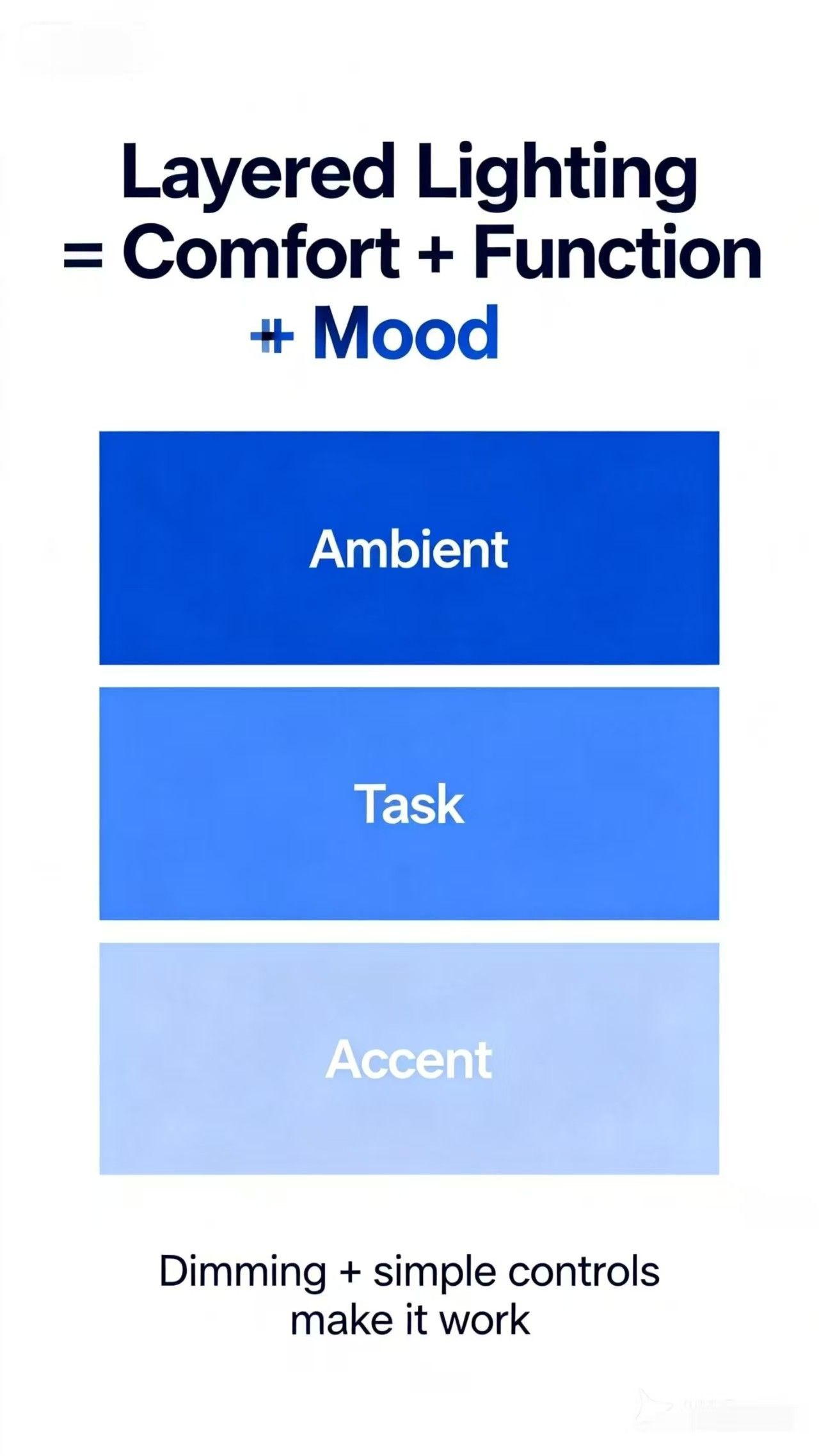
Is your home stuck in a cycle of being either too harsh or too dark? The issue likely isn‘t your fixtures, but a reliance on single-source lighting. This guide breaks down Layered Lighting 101: the simple, transformative formula of Ambient, Task, and Accent layers. Learn the purpose and practical examples of each layer, crucial tips like making ambient light dimmable, and how to avoid common mistakes such as overusing downlights. Upgrade the function, comfort, and mood of any room without touching a wall, and discover how to plan your project with a professional lighting approach.
The Real Cost of Lighting Delays: It’s Not the Fixture, It’s the Coordination The Real Cost of Lighting Delays: It’s Not the Fixture, It’s the Coordination
Jan 19,2026
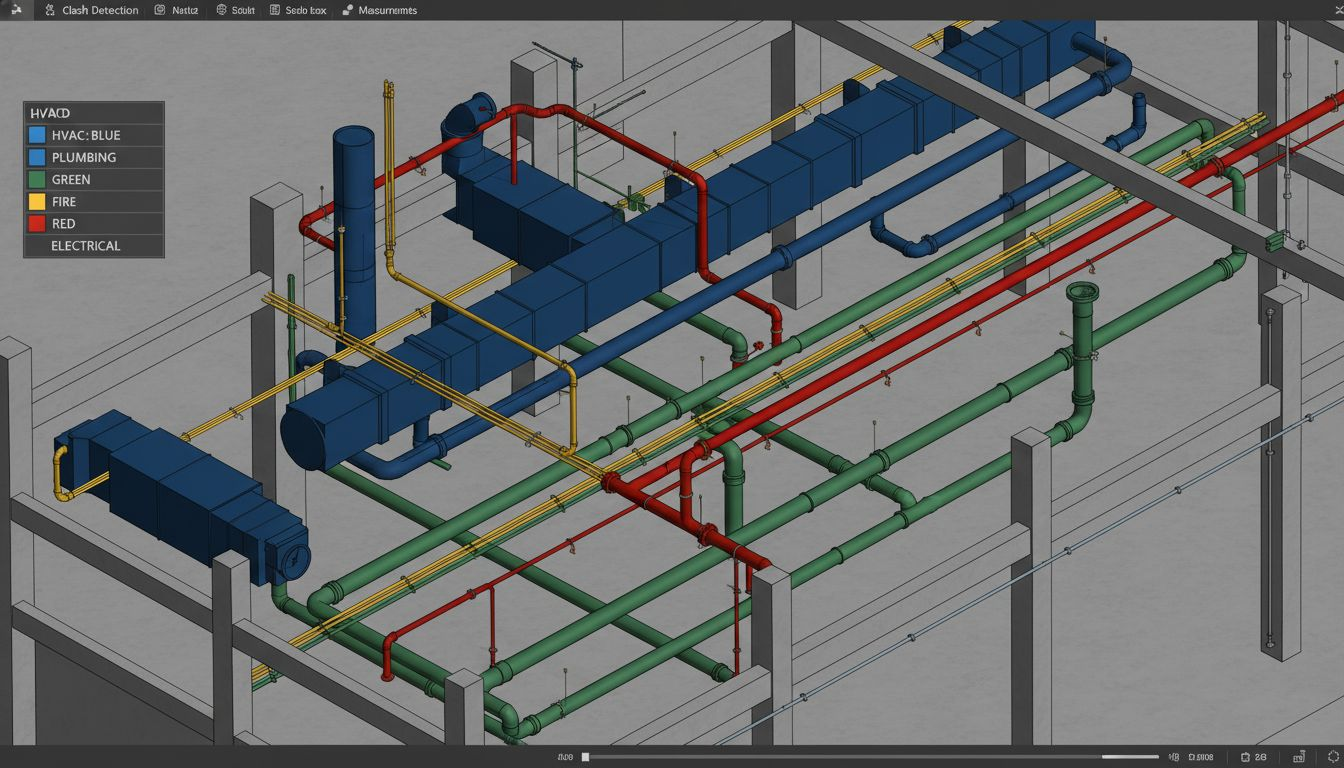
This article argues that lighting delays are fundamentally a coordination failure, not a product supply issue. Drawing from complex project experience, it identifies four recurring risks: 1) Overcrowded ceiling voids, 2) Shop drawings misaligned with RCP/MEP, 3) Mishandling custom item lead times, and 4) On-site installation ambiguity. The root cause is treating lighting as a commodity rather than an integrated system requiring early-phase coordination. The piece concludes with proactive avoidance strategies and invites industry professionals to share their most costly pain points and effective solutions.
From Vision to Handover: A Complete Guide to Commercial Lighting Design Process From Vision to Handover: A Complete Guide to Commercial Lighting Design Process

Jan 16,2026
For project owners, developers, and main contractors, a successful lighting outcome depends as much on a rigorous process as on the initial concept. This guide breaks down the commercial lighting design journey into five critical phases—Concept & Schematic, Design Development, Procurement & Prefabrication, Installation & Commissioning, and Final Handover—highlighting the key deliverables, coordination points, and common pitfalls at each stage. Master this workflow to transform design visions into built reality, on time and within budget.